

Colposcopy is a vital diagnostic tool in women’s health, allowing for early detection of potential issues and providing peace of mind. If you’ve had an abnormal Pap smear or have experienced unusual symptoms, a colposcopy performed by an expert like Dr. Saurabh Phadnis in London can provide critical insights.
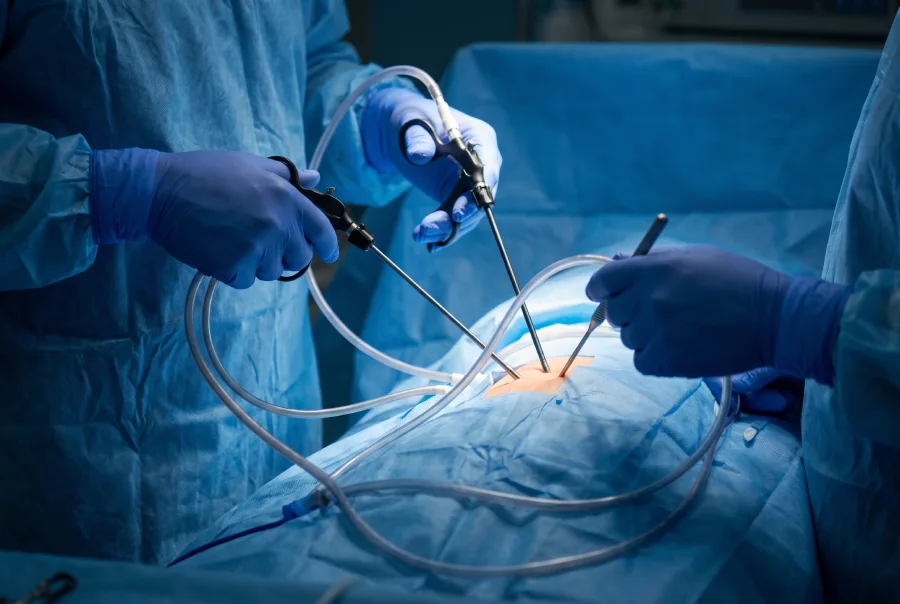
Hysteroscopy is a medical procedure that allows a doctor to examine the inside of the uterus using a device called a hysteroscope, a thin, flexible tube inserted through the vagina and cervix.
It provides a clear view of the uterine lining and is commonly used to diagnose and treat conditions such as abnormal bleeding, fibroids, polyps, and scarring. In many patients, this includes the investigation of Heavy Menstrual Bleeding, helping clinicians determine the underlying cause accurately. In some cases, hysteroscopy can also be used for surgical treatment, removing abnormal tissues or performing minor repairs.
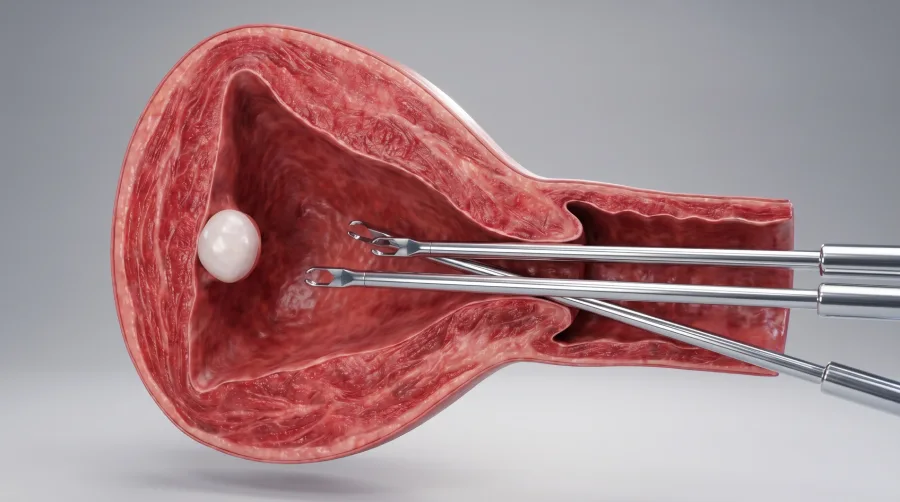
Hysteroscopy is a highly effective diagnostic tool that allows doctors to visually inspect the inside of the uterus. By providing a direct view of the uterine lining, hysteroscopy helps diagnose a range of conditions, including abnormalities that may cause abnormal bleeding, fertility issues, or pelvic pain, such as uterine Fibroids, polyps, and structural irregularities that may not be detected through imaging alone.:
In addition to diagnosing conditions, hysteroscopy can be used to treat various uterine problems. Treatment options during a hysteroscopy include:

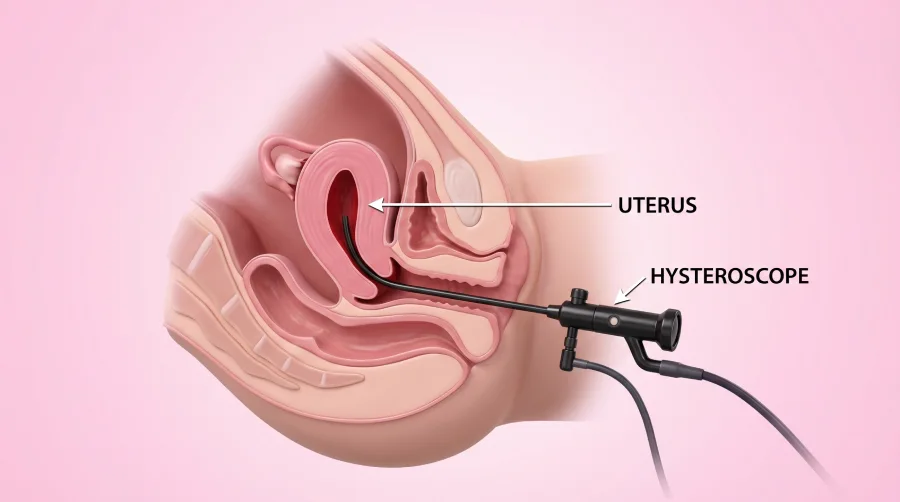
Hysteroscopy is generally performed as an outpatient procedure, meaning you can go home the same day.
The procedure typically takes between 15 to 30 minutes, depending on what needs to be treated. For most patients, the procedure is relatively quick and straightforward, with minimal downtime.
Though hysteroscopy is generally safe, there are some risks to be aware of. These include:
Before undergoing hysteroscopy, there are a few steps you need to take to prepare for the procedure. If you’re having sedation or general anaesthesia, you may be asked to refrain from eating or drinking for several hours beforehand.
You may experience some mild cramping or light bleeding, which is normal and should subside within a few days. To ensure a smooth recovery, Dr. Phadnis advises:

In the first 24-48 hours following the procedure, most patients experience mild cramping and light bleeding. This is normal and should gradually decrease.
Within a few days, you should be able to return to most of your regular activities, though it’s important to avoid heavy lifting or vigorous exercise for at least a week.
Full recovery from a hysteroscopy typically takes about one to two weeks. Follow-up appointments with Dr. Phadnis will be scheduled to ensure proper healing and to check for any complications.
Hysteroscopy is recommended for women who are experiencing symptoms such as:


The cost of hysteroscopy can vary depending on factors such as the complexity of the procedure, the type of anaesthesia required, and any additional treatments performed.
Dr. Phadnis’s practice offers flexible payment options, including private insurance coverage, self-pay plans, and financing options.
When seeking treatment for endometriosis, it is important to choose a qualified surgeon who has extensive experience in treating the condition.
The reputation of the surgeon is crucial. Researching reviews and success stories from previous patients can provide insight into the quality of care and the success rate of treatment.
A successful treatment journey also depends on the patient-surgeon relationship.
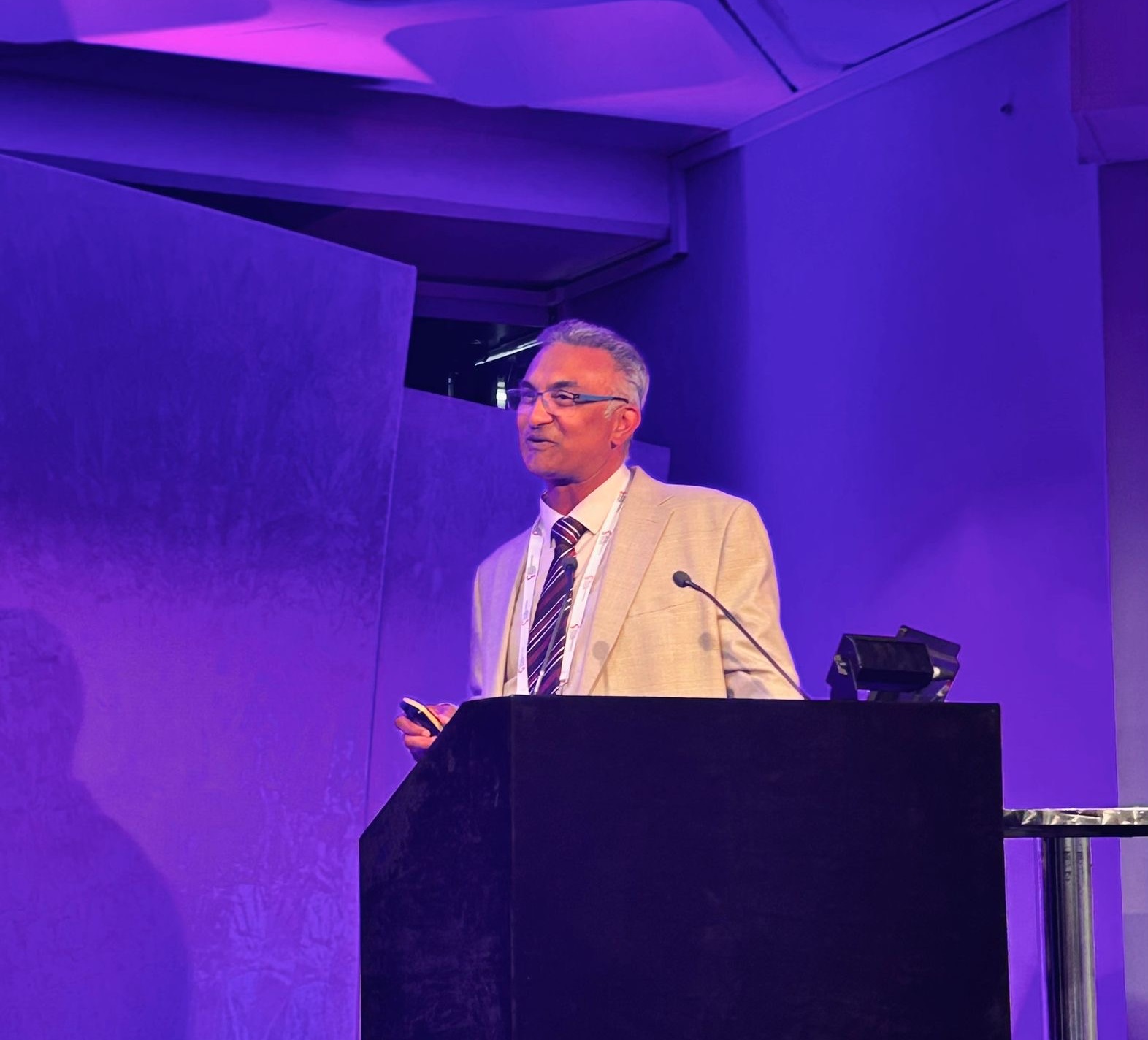

Hysteroscopy is an invaluable tool for diagnosing and treating a variety of uterine conditions. With the expertise of Dr. Saurabh Phadnis, you can trust that your treatment will be personalised, safe, and effective.
Contact our London clinic today to book a consultation and take the first step toward improved uterine health.
If you’re concerned about Hysteroscopy, private consultations are available with Dr. Saurabh Phadnis, leading Gynaecologist, Oncologist, Surgeon, and Co-Lead Colposcopist based in London; specialising in gynaecological cancer. You can visit his clinic or call directly to book an appointment and receive expert care, advice, and personalised treatment.
Recovery typically takes a few days to a week, with full recovery in about two weeks.
The procedure usually takes between 15 to 30 minutes.
Most patients experience mild cramping and discomfort, but it is generally manageable with over-the-counter pain medication.
Most hysteroscopy procedures are performed under local anaesthesia, but general anaesthesia may be used for more complex cases.
If you experience abnormal bleeding, infertility, or other uterine symptoms, a consultation with Dr. Phadnis can help determine if hysteroscopy is the right diagnostic or treatment option for you.
Specialising in the field of gynaecological cancer, covering the entire spectrum from diagnosis to treatment and post-treatment care.