

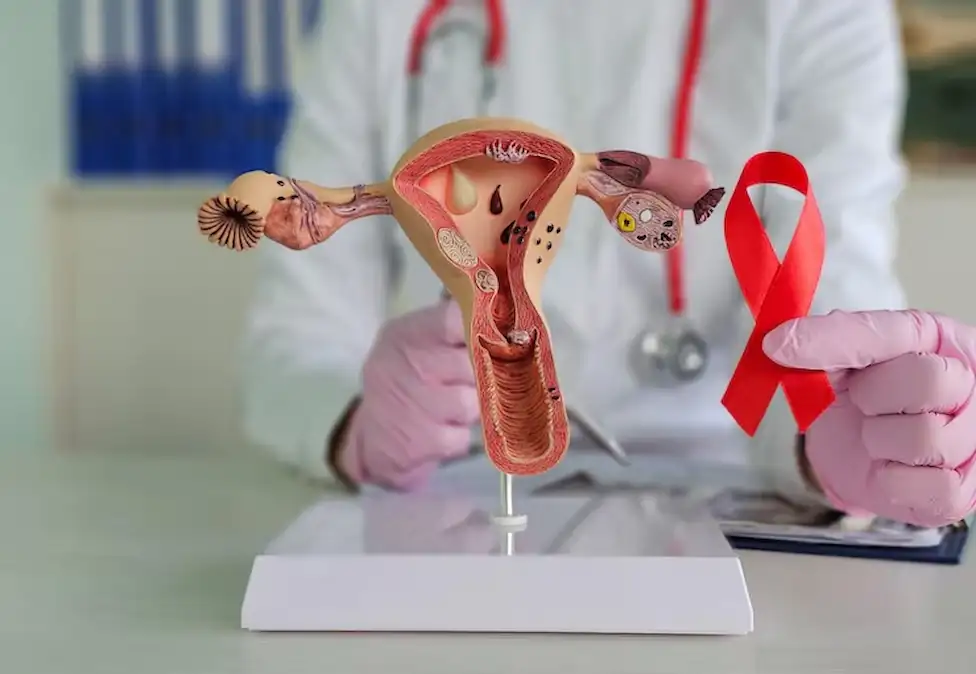
Womb cancer, also known as uterine or endometrial cancer, affects thousands of women across the UK each year. Recognising the symptoms of womb cancer early can significantly improve treatment outcomes and overall prognosis. This guide explains what signs to watch for, when to seek specialist help, and how private gynaecological care in London can support your journey toward diagnosis and treatment.
Womb cancer develops in the lining of the uterus (the endometrium) and is the fourth most common cancer among women in the UK. According to Cancer Research UK, around 9,700 women are diagnosed with womb cancer annually, with most cases occurring in women over 50, particularly those who have gone through menopause.
Understanding the symptoms of womb cancer is crucial because early detection dramatically improves treatment success. Unlike some cancers that develop silently, womb cancer often presents warning signs relatively early, giving women the opportunity to seek medical attention promptly.
Several factors may increase your risk of developing womb cancer:
While having risk factors doesn’t guarantee you’ll develop womb cancer, awareness helps you stay vigilant about potential symptoms.
The most common symptoms of womb cancer centre around unusual vaginal bleeding and discharge. Being aware of these signs empowers you to seek timely medical advice.
Abnormal Vaginal Bleeding
This is the hallmark symptom, occurring in approximately 90% of cases. Watch for:
Unusual Vaginal Discharge
You may notice watery, blood-stained, or pink discharge that has an unpleasant odour, even without visible bleeding.
If you’re experiencing any symptoms of womb cancer, particularly post-menopausal bleeding, it’s essential to consult a gynaecologist promptly. While these symptoms can indicate other benign conditions, only proper medical assessment can provide accurate diagnosis.
If you’ve noticed unusual bleeding or discharge, seeking expert evaluation is vital. Dr Saurabh Phadnis offers private gynaecology consultations across London, providing thorough assessments and swift access to diagnostic procedures tailored to your concerns.
When you present with potential symptoms of womb cancer, your gynaecologist will conduct several investigations:
Treatment depends on cancer stage, grade, and your overall health:
Hormone therapy: In specific cases where cancer cells are hormone-sensitive
Choosing private gynaecological care in London for concerns about symptoms of womb cancer means benefiting from:
Private consultations typically occur within days, reducing the anxiety of waiting. Dr Saurabh Phadnis, a consultant gynaecologist practising in London, specialises in women’s health conditions, including cancer diagnosis and management.
Private clinics offer streamlined access to ultrasound scans, biopsies, and hysteroscopy procedures, often on the same day or within 48 hours of your initial consultation.
You’ll see the same specialist throughout your diagnostic journey, ensuring personalised attention and consistent communication about your results and options.
With practices across central London and surrounding areas including Westminster, Harley Street, Chelsea, and Kensington, accessing specialist care fits more easily around work and family commitments.
Post-menopausal bleeding is the most significant warning sign. Any vaginal bleeding after menopause warrants immediate medical assessment, as does persistent irregular bleeding, unusual discharge, or pelvic pain.
Don’t delay. While many cases of abnormal bleeding have benign causes like polyps or hormonal changes, only proper investigation can rule out cancer. Contact a gynaecologist as soon as possible.
Private care offers rapid consultations, faster diagnostic testing, consultant continuity, and flexible appointment times. This approach reduces anxiety and enables quicker treatment initiation if cancer is diagnosed.
Your consultant will discuss staging, treatment options, and expected outcomes. Many women with early-stage womb cancer achieve excellent results with surgery. Your specialist will coordinate care, whether through private treatment or NHS referral for specific procedures.
Recognising the symptoms of womb cancer and acting promptly can make a profound difference to your health outcomes. While experiencing these symptoms doesn’t necessarily mean you have cancer, professional assessment is the only way to obtain accurate answers and appropriate care.
If you’re concerned about unusual bleeding, discharge, or pelvic symptoms, seeking expert evaluation brings clarity and, when needed, swift access to treatment. Private gynaecological care in London offers the advantage of rapid appointments, comprehensive testing, and personalised attention throughout your diagnostic journey.
Book your private consultation with Dr Saurabh Phadnis in London today. With extensive experience in diagnosing and managing gynaecological conditions, Dr Phadnis provides compassionate, expert care tailored to your individual needs, helping you take control of your health with confidence.