

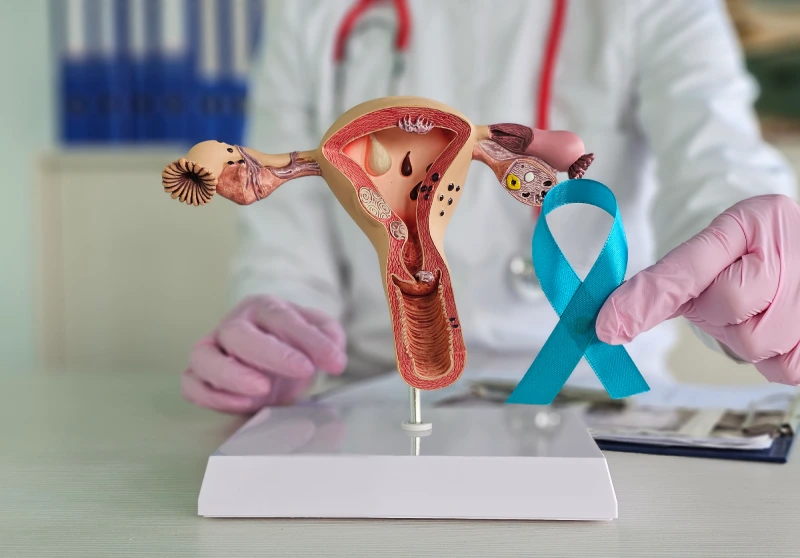
When facing a diagnosis of advanced gynaecological cancer, understanding your treatment options is a critical first step. Mr. Saurabh Phadnis, a leading Consultant Oncological and Robotic Surgeon in London, is dedicated to providing the most advanced and effective treatments, including Hyperthermic Intraperitoneal Chemotherapy (HIPEC). This innovative procedure offers new hope for patients with cancers that have spread to the lining of the abdominal cavity.
HIPEC is a sophisticated, two-part treatment that combines surgery with targeted chemotherapy. It is designed to treat cancers that have spread within the abdomen, a condition known as peritoneal metastasis. The goal of HIPEC is to remove all visible cancer and then eliminate any remaining microscopic cancer cells.
Think of it as a comprehensive ‘wash’ of the abdominal cavity. The procedure involves:
First, Mr. Phadnis will perform extensive surgery to meticulously remove all visible tumours from the abdominal cavity. This is a critical step that requires significant expertise and precision.
Immediately after surgery, a heated, sterilised chemotherapy solution is circulated throughout the abdomen for up to 90 minutes. The heat enhances the chemotherapy’s effectiveness, allowing it to penetrate and destroy any remaining cancer cells that are too small to be seen.
This direct application of chemotherapy allows for a much higher, more concentrated dose to be delivered to the cancer cells, with minimal exposure to the rest of the body. This reduces the typical side effects associated with traditional intravenous chemotherapy.
HIPEC is a specialised treatment and is not suitable for everyone. Mr. Phadnis will conduct a thorough evaluation to determine if this is the right option for you. Generally, HIPEC is considered for patients who are in good overall health and whose cancer is confined to the abdominal cavity. It is most commonly used to treat:
For eligible patients, HIPEC offers several significant advantages over traditional treatments alone:
Clinical studies have shown that for certain cancers, HIPEC can significantly improve long-term survival rates.
By targeting and eliminating microscopic cancer cells, HIPEC can lower the chances of the cancer returning.
The chemotherapy is delivered directly to the affected area, maximising its impact on cancer cells.
Because the chemotherapy is largely contained within the abdomen, patients often experience fewer of the side effects associated with traditional chemotherapy, such as hair loss or nausea.
Mr. Phadnis and his dedicated team provide comprehensive, compassionate care throughout your entire treatment journey.
Your journey begins with a detailed consultation. Mr. Phadnis will review your medical history, perform a thorough examination, and may order advanced imaging scans to understand the extent of the cancer. He will discuss all your treatment options with you, ensuring you have a clear understanding of the potential benefits and risks of HIPEC.
The combined cytoreductive surgery and HIPEC procedure is a major operation that can last for several hours. You will be under general anaesthesia throughout. After the surgery and chemotherapy bath are complete, you will be taken to a recovery area and then to the intensive care unit (ICU) for close monitoring.
Recovery from HIPEC is a gradual process that can take several weeks to months. You will spend time in the hospital where our team will manage your pain, monitor your recovery, and provide nutritional support. Once you return home, Mr. Phadnis will provide a detailed plan for your continued recovery and schedule regular follow-up appointments to monitor your long-term health.
Choosing the right surgeon is paramount when considering a complex procedure like HIPEC. Mr. Saurabh Phadnis is a highly respected expert in gynaecological oncology and robotic surgery, known for his surgical precision and patient-centred approach.
If you have been diagnosed with an advanced gynaecological cancerand want to explore the most advanced treatment options available, we invite you to schedule a consultation with Mr. Saurabh Phadnis. Take the first step towards understanding your options and receiving expert, compassionate care.
The main advantage is the ability to deliver a high dose of heated chemotherapy directly to the cancer cells in the abdomen, which increases its effectiveness and reduces side effects to the rest of the body.
Recovery varies for each patient, but it typically involves a hospital stay of one to two weeks, followed by a recovery period of two to three months at home. Mr. Phadnis will provide a personalised recovery plan.
While HIPEC can lead to long-term remission and, in some cases, a cure, it is not a guaranteed cure for everyone. The primary goal is to significantly extend survival and improve quality of life. The success of the treatment depends on various factors, including the type and stage of cancer.
HIPEC is a major procedure with potential risks, including those associated with any major surgery (such as bleeding or infection) and side effects from the chemotherapy (such as fatigue or nausea). Mr. Phadnis will discuss all potential risks with you in detail.
A thorough evaluation by a specialist like Mr. Phadnis is necessary. He will assess your overall health, the type of cancer you have, and the extent of its spread to determine if HIPEC is the best treatment option for you.