

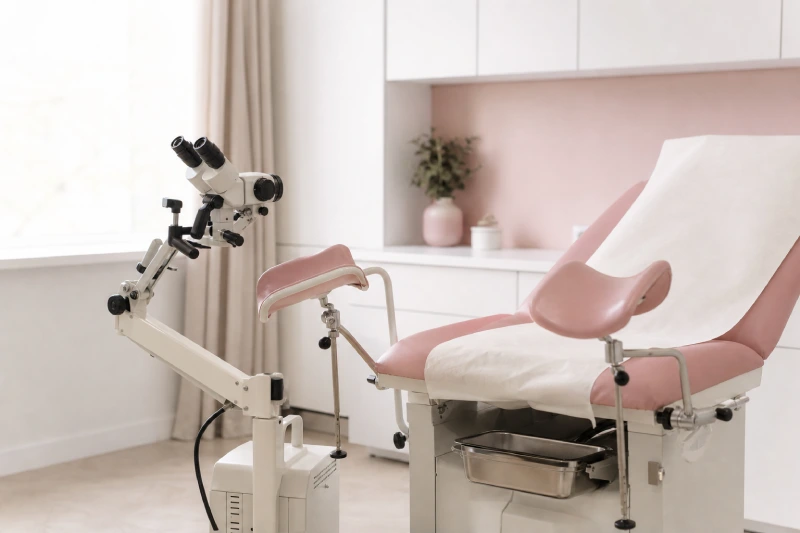
Many patients wonder, “is a colposcopy painful?” This concern is quite common and understandable, especially when considering that colposcopy is a procedure often used to investigate abnormal cervical screening results. It is crucial to understand what to expect during this examination, including any discomfort or pain that may occur. Understanding this can help alleviate anxiety and prepare you for the experience.
Mr Saurabh Phadnis, a Gynaecologist and Oncologist based in London, specialises in women’s health and cancer care, including colposcopy services. His extensive experience in gynaecological oncology allows him to provide patients with the necessary information and support regarding their health concerns. This article aims to answer your questions about colposcopy and clarify whether it is a painful procedure.
A colposcopy is a diagnostic procedure that allows a healthcare provider to closely examine your cervix, vagina, and vulva for signs of disease. This examination is typically performed when a cervical screening test, also known as a smear test, reveals abnormal results. The procedure involves the use of a colposcope, which is a specialised microscope that magnifies the tissues of the cervix, enabling the clinician to identify any abnormalities effectively.
Colposcopy is often recommended for the following reasons:
Understanding the risks and benefits of a colposcopy can help you make an informed decision. The benefits include:
However, there are also potential risks, such as:
Understanding the steps involved in a colposcopy can help you feel more prepared. The procedure typically lasts between 10 to 20 minutes and involves the following steps:
When patients ask, “is a colposcopy painful?” the answer is that experiences vary from person to person. While some women report minimal discomfort, others may experience mild pain or cramping. Here are some factors that can influence the level of discomfort:
Many patients describe the sensation during a colposcopy as similar to that experienced during a smear test. You may feel:
After the procedure, you may experience some mild cramping or spotting, which is entirely normal. Here’s what you should be aware of during your recovery:
While most symptoms are normal, you should contact your healthcare provider if you experience:
Proper preparation can make your experience smoother and more comfortable. Here are some tips:
Generally, anaesthesia is not required for a colposcopy. Local anaesthetic may be used if a biopsy is performed, but most patients tolerate the procedure without it.
Results from a colposcopy can take one to three weeks, depending on whether a biopsy was performed. Your clinician will discuss the results with you during a follow-up appointment. According to the NHS, it is important to stay informed during this period.
Most women can return to their normal activities immediately after the procedure. However, it is advisable to avoid strenuous activities for a day or two.
In summary, while the question “is a colposcopy painful?” is common, the experience varies among individuals. According to a study published on PubMed, about 70% of women report minimal discomfort during the procedure. Many patients find the procedure manageable, particularly with proper preparation and support. If you have concerns about undergoing a colposcopy, it is essential to discuss them with a qualified healthcare provider.
To find out whether a colposcopy may be suitable for you, book a consultation with Mr Saurabh Phadnis, a leading Gynaecologist and Oncologist in London. Your health and peace of mind are our top priorities.