

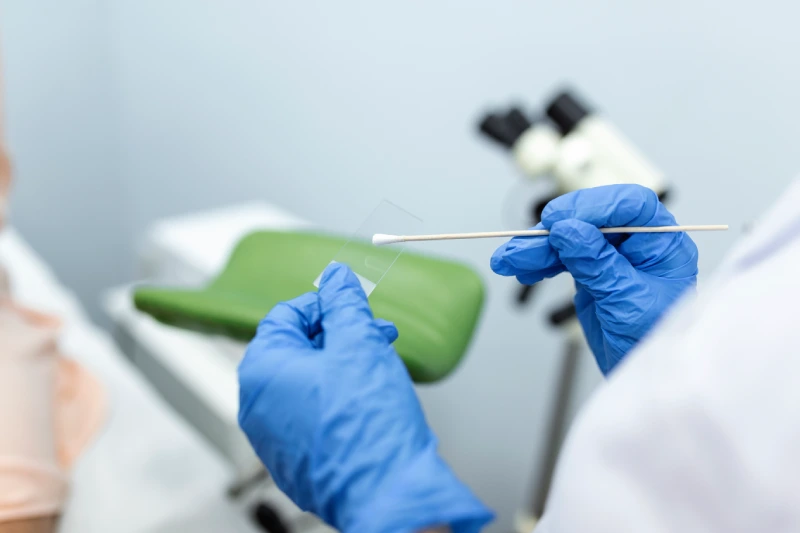
Receiving the news that your cervical screening, or smear test, has returned an abnormal result can be a deeply unsettling experience. The mind can race, filled with questions and anxieties about what this might signify for your health. It is a moment where clarity and expert guidance are not just helpful, but essential. In the heart of London, Mr Saurabh Phadnis, a distinguished Consultant Oncological and Robotic Surgeon, specialises in navigating these precise concerns.
With extensive experience as a Gynaecologist and Colposcopist, he provides a calm, reassuring voice, helping individuals understand that an abnormal result is not a diagnosis of the worst-case scenario. Instead, it represents a critical and early opportunity to safeguard your future health. This is the first step in a manageable and well-trodden path, one that is designed to prevent, not just react to, potential health issues, ensuring you are supported with the highest level of care and expertise at every stage.
It is crucial to comprehend that an abnormal smear test result is not a declaration of cancer. This is a common misconception that fuels a great deal of unnecessary worry. In reality, the result is an alert, a flag that indicates some changes have been detected in the cells of your cervix. These cellular alterations are typically precancerous, meaning they are not malignant but have the potential to develop into cancer over a number of years if left unmonitored and untreated. The primary purpose of the national screening programme is to identify these very changes at the earliest possible stage. This provides a vital window of opportunity for intervention, long before any serious problems can arise. Think of it as an early warning system that is functioning exactly as it should, offering a chance to take preventative action and maintain your long-term well-being with the guidance of a specialist.
The vast majority of abnormal cell changes found during cervical screening are caused by the Human Papillomavirus, more commonly known as HPV. This is an extremely common virus; in fact, most sexually active adults will be exposed to it at some point in their lives. For the most part, the body’s immune system is incredibly effective at clearing the virus on its own, often without the person ever knowing they had it. However, in a small number of cases, the virus can persist and cause changes in the cervical cells. It is important to dispel any stigma associated with an HPV-positive result. It is not an indication of infidelity and does not affect your fertility or future pregnancy plans. Life can, and should, continue as normal. The presence of HPV is simply a risk factor that the screening programme is designed to detect and manage proactively.
When abnormal cells are detected, they are carefully examined and graded to determine the level of change. The mildest form is often described as ‘borderline changes’ or ‘low-grade dyskaryosis’. This is also referred to as Cervical Intraepithelial Neoplasia grade 1 (CIN 1). This grading signifies that only up to one-third of the thickness of the lining covering the cervix contains abnormal cells. In many instances, particularly with CIN 1, the body’s immune system will successfully clear the HPV infection and the cervical cells will return to normal without any intervention at all. For this reason, a period of watchful waiting is often the recommended course of action. You will likely be invited for a repeat screening in a year’s time to monitor the situation. This conservative approach avoids unnecessary treatment while ensuring your health is being carefully and responsibly supervised by your healthcare provider.
In cases where the cellular changes are more significant, the result may be classified as ‘high-grade dyskaryosis’. This category includes both moderate (CIN 2) and severe (CIN 3) changes. CIN 2 indicates that up to two-thirds of the cervical lining is affected by abnormal cells, while CIN 3 means the full thickness of the lining is affected. While it is important to take these results seriously, it is equally important to remember that this is still not a cancer diagnosis. The progression from severe precancerous changes to cervical cancer is a slow process, often taking several years. Therefore, a high-grade result simply underscores the need for further investigation and, in most cases, treatment to remove the abnormal cells. This proactive treatment is highly effective at preventing cancer from ever developing, making it a crucial step in your preventative healthcare journey.
Following an abnormal smear test result, the standard next step is a referral for a colposcopy. This is a straightforward and generally painless examination that takes place in a hospital clinic. The procedure is very similar to having a smear test, where a speculum is used to gently open the vagina, allowing the colposcopist to get a clear view of the cervix. The colposcopist then uses a special magnifying instrument with a light, called a colposcope, to look at the cells of your cervix in much greater detail. The instrument itself does not enter your body. To help identify any abnormal areas, a special liquid is applied to the cervix, which may cause a mild, temporary tingling sensation. The entire process is designed to be as comfortable as possible, providing a detailed map of the cervix and guiding the specialist’s assessment.
During the colposcopy, if any areas of concern are identified, the colposcopist will likely take a small sample of tissue, known as a biopsy. This is a quick process that may feel like a slight pinch or a brief, period-like cramp. The tissue sample is then sent to a laboratory to be analysed under a microscope. This analysis provides a definitive diagnosis, confirming the grade of the cell changes (CIN 1, 2, or 3). The results of the biopsy are crucial as they will determine the most appropriate course of action. In some cases, the colposcopist may offer treatment at the same time as the initial colposcopy, a practice known as ‘see and treat’. In other situations, you may be asked to return for treatment once the biopsy results have been reviewed, ensuring your management plan is perfectly tailored to your specific needs.
Should treatment be necessary to remove the abnormal cervical cells, it is reassuring to know that the procedures used are both simple and highly effective. The most common treatment is called Large Loop Excision of the Transformation Zone (LLETZ). This procedure is usually performed in an outpatient setting and involves using a thin wire loop with an electrical current to carefully remove the area of abnormal cells. It is a quick procedure, typically lasting only a few minutes, and is performed under local anaesthetic, which numbs the cervix to minimise any discomfort. The goal of this treatment is to remove all the precancerous cells, thereby preventing the possibility of them developing into cancer. The success rates for these treatments are extremely high, offering peace of mind and a definitive solution to the abnormal cell changes.
Following treatment for abnormal cervical cells, life can and should return to normal. The procedures do not impact your fertility or your ability to have children in the future. After the treatment, you will be invited for a follow-up smear test, usually six months later, to check that all the abnormal cells have been successfully removed and that the HPV infection has cleared. This is a vital part of your aftercare. The real risk associated with abnormal smear results lies not in the result itself, but in failing to attend these crucial follow-up appointments and subsequent regular screenings. Consistent monitoring ensures that any recurrence, which is rare, is caught early. By staying engaged with the screening programme, you are taking the most powerful step possible in protecting yourself against cervical cancer and taking control of your health.
An abnormal smear test result, while initially alarming, is a testament to the effectiveness of preventative medicine. It is a sign that the cervical screening programme is working as intended, identifying potential issues long before they become serious. It is not a diagnosis of cancer but a crucial opportunity to intervene and protect your future health. From understanding the role of HPV to navigating the colposcopy and treatment process, every step is designed to be manageable and reassuring. The journey is a collaborative one between you and your healthcare provider, built on a foundation of expertise and trust. The key is not to panic, but to ensure consistent and timely follow-up with a specialist.
If you have received an abnormal result and wish to discuss your concerns with a leading expert, we invite you to book a consultation with Mr Saurabh Phadnis at his London-based practice. His compassionate and comprehensive approach will ensure you receive the highest standard of care and the peace of mind you deserve.
No, an abnormal smear test does not mean you have cancer. It indicates that there are changes to the cells on your cervix, which are usually precancerous. These changes act as an early warning sign, allowing for monitoring and treatment to prevent cancer from developing in the future. The vast majority of women with an abnormal result do not have cancer.
Having HPV or receiving treatment for abnormal cervical cells does not affect your fertility or your ability to have a healthy pregnancy in the future. The treatments are designed to be localised to the cervix and are highly effective, with minimal impact on your reproductive health. It is a common and manageable condition.
A colposcopy is generally not considered painful. It feels very similar to having a smear test. You may experience some mild discomfort or a slight pinching sensation if a biopsy is taken, but a local anaesthetic is used to minimise any pain. Your colposcopist will ensure you are as comfortable as possible throughout the procedure.
The progression from high-grade precancerous cells to cervical cancer is a very slow process, typically taking several years. This long timeframe is why the cervical screening programme is so effective. Regular screening allows for the detection and treatment of these cells long before they have the chance to become cancerous.
After treatment, you will be invited for a follow-up smear test in about six months. This is to check that the treatment was successful and that your body has cleared the HPV infection. Following a successful follow-up, you will return to the routine screening schedule, although you may be monitored more closely for a period. It is vital to attend all follow-up appointments.