
/ Robotic Treatment
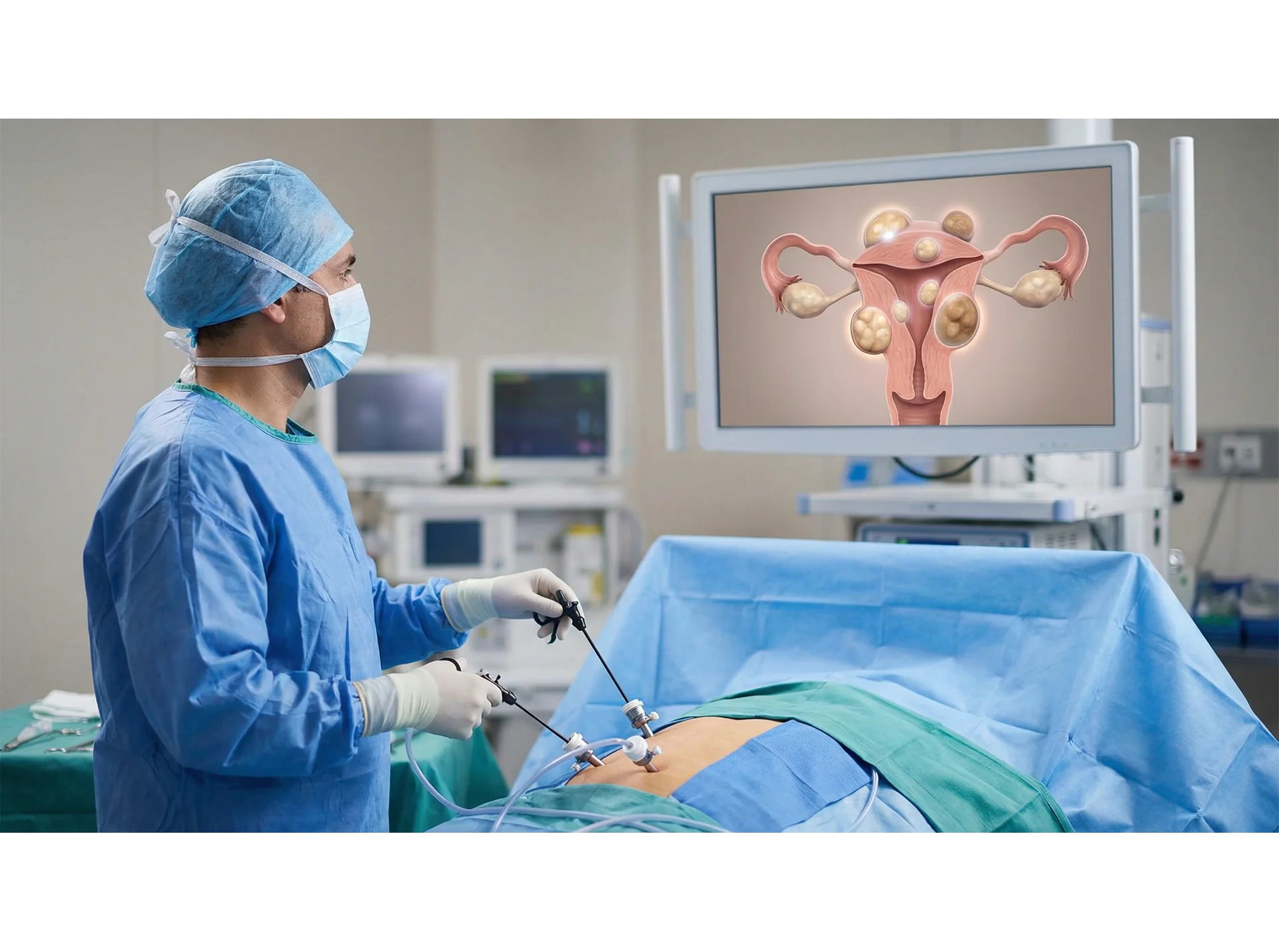
Myomectomy is a surgical procedure that removes fibroids from the uterus without removing the uterus itself. Fibroids are non-cancerous growths that can vary in size, number, and location, and may cause symptoms such as heavy bleeding, pelvic pain, pressure, or fertility difficulties.
The procedure can be performed using different techniques, including minimally invasive approaches, depending on the size and position of the fibroids and individual patient factors, especially in cases causing heavy menstrual bleeding.
Myomectomy may be advised when fibroids cause significant symptoms or complications, including.
The aim of myomectomy is symptom relief while, where possible, maintaining normal uterine function.
Myomectomy offers several important benefits for suitable patients.
This makes myomectomy a preferred option for many patients seeking uterus-preserving treatment.
Preoperative Assessment
A comprehensive consultation includes detailed imaging, symptom review, and discussion of treatment options. The most appropriate surgical approach is planned based on individual needs.
The Surgical Procedure
Myomectomy may be performed laparoscopically, robot-assisted, or through an open approach, depending on fibroid size, number, and location. The procedure focuses on precise fibroid removal while protecting healthy uterine tissue.
Postoperative Care
Following surgery, patients are monitored closely. Pain control, mobility, and recovery guidance are provided to support safe healing.
Before myomectomy, patients often experience ongoing discomfort, heavy bleeding, or reproductive concerns that affect daily life and well-being.
After surgery, many patients notice significant symptom improvement, better menstrual control, and enhanced quality of life. When fertility is a concern, myomectomy may also improve reproductive outcomes depending on individual circumstances.
Recovery time varies depending on the surgical approach used. Minimally invasive myomectomy typically allows faster recovery, with gradual return to normal activities over the following weeks.
Follow-up appointments are scheduled to monitor healing, discuss pathology results (if applicable), and plan future care.
Myomectomy may be suitable for individuals who
Suitability is assessed carefully on a case-by-case basis.
The cost of myomectomy depends on the complexity of the surgery, hospital setting, and surgical approach required. This is discussed clearly during consultation so patients can make informed decisions with confidence.
Myomectomy requires experience, precision, and sound surgical judgement. Care under Dr Saurabh Phadnis offers
This ensures safe surgery and outcomes aligned with patient goals.
If fibroids treatment is needed because fibroids are affecting your health, comfort, or fertility, a specialist assessment can help determine whether myomectomy is the right option for you. Expert consultation provides clarity, reassurance, and a personalised treatment plan..
Fibroids can recur in some patients. Regular follow-up helps monitor long-term outcomes.
Many patients successfully conceive after myomectomy, depending on individual factors and fibroid characteristics.
It is a significant procedure, but minimally invasive approaches often reduce recovery time and discomfort.
Recovery varies by surgical approach, with many patients returning to normal activities within weeks.
Book a consultation with an expert Dr. Saurabh Phadnis