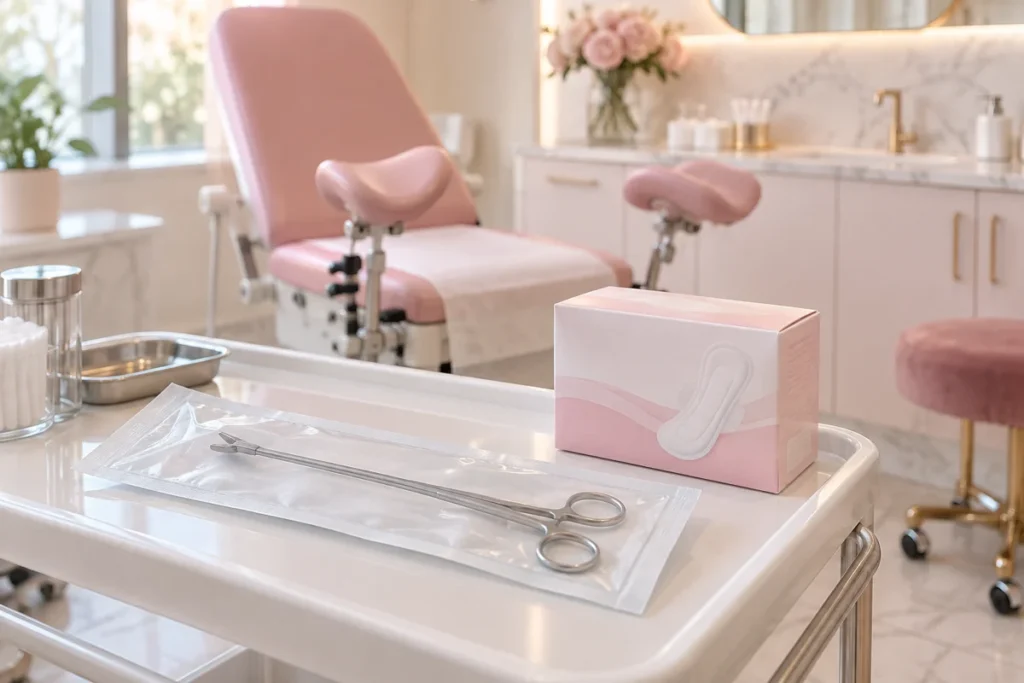
For most women, the colposcopy biopsy recovery time is short, with mild cramping and light bleeding settling within a few days and full healing of the cervix usually taking around two to four weeks. A small punch biopsy taken during colposcopy is a minor procedure performed in an outpatient clinic, so there is no general anaesthetic, no stitches and no hospital stay. Recovery is measured in days rather than weeks, and most women feel well enough to carry on with normal daily activities the same day or the next morning. Mr Saurabh Phadnis, a Consultant Gynaecologist and Gynaecological Oncology Surgeon in London, sees many women who feel more anxious about the healing process than the appointment itself, which is why clear information matters.
Mr Saurabh Phadnis (MBBS, MRCOG) is a subspecialist in gynaecological oncology with more than 15 years of experience as a colposcopist and is a BSCCP accredited trainer. He holds a consultant post at The Royal London Hospital, part of Barts Health NHS Trust, and also sees patients privately across London. This article explains what to expect during recovery after a cervical biopsy, what level of discomfort is normal, how to look after yourself in the first week, and which symptoms should prompt you to seek advice.
Colposcopy is a close examination of the cervix using a magnifying instrument called a colposcope, usually arranged after an abnormal cervical screening result or a positive HPV test. If an area looks abnormal, a small tissue sample may be taken so it can be examined in the laboratory. According to the NHS, colposcopy is not usually painful, although some women find it uncomfortable, and taking a biopsy may cause a brief pinching or stinging sensation.
The colposcopy biopsy recovery time depends largely on how much tissue was removed. A tiny punch biopsy heals far more quickly than a larger excisional treatment such as LLETZ (large loop excision of the transformation zone), which is sometimes carried out at the same visit if abnormal cells need treating.
After a small punch biopsy, most women notice:
The cervix has a good blood supply and heals well, so the surface usually recovers within about two weeks. Many women return to work on the same day, particularly if their job is not physically demanding.
If treatment rather than a simple sample is needed, healing takes longer. Expect a watery, sometimes blood-stained discharge for up to three or four weeks, with bleeding that may come and go as the scab over the treated area separates. Cramping in the first 24 to 48 hours is common and generally responds to simple pain relief. The Royal College of Obstetricians and Gynaecologists provides patient information on cervical treatments and what to expect afterwards, and your colposcopist will explain which type of procedure was performed before you leave the clinic.
Pain is the concern women raise most often. During the biopsy itself, the sensation is usually described as a sharp pinch, a period-like twinge or a wave of cramping that passes within seconds. Local anaesthetic is used for excisional treatments such as LLETZ, and this may cause a fleeting sting, sometimes with a racing heartbeat for a minute or two, which is a normal response to the medication.
Afterwards, discomfort is typically mild. Practical steps that may help include:
Severe, escalating or one-sided pain is not expected after a cervical biopsy and should be assessed. For a fuller explanation of sensations during the examination, this guide on whether a colposcopy is painful and what patients usually experience may be reassuring to read before your appointment.
Light bleeding is expected and is the most common reason women contact the clinic. A useful rule of thumb is that bleeding should be no heavier than a normal period and should gradually settle rather than increase. Many women find the discharge more noticeable than the bleeding, particularly after LLETZ, when it can be watery, yellowish or slightly malodorous as the area heals.
Seek medical advice promptly if you notice:
A more detailed breakdown is available in this article on bleeding after colposcopy, what is normal and when to worry. If you are ever unsure, it is always appropriate to ring the colposcopy clinic or contact NHS 111 for advice.
There is no way to speed up tissue healing artificially, but sensible aftercare reduces the risk of infection and secondary bleeding, which are the main reasons recovery becomes prolonged. The aim in the first week is to keep the healing cervix undisturbed.
General advice given in most UK colposcopy clinics includes:
The National Institute for Health and Care Excellence publishes guidance relevant to cervical care and infection prevention, and the British Society for Colposcopy and Cervical Pathology sets the training and quality standards that accredited UK colposcopy services follow.
Most women return to work immediately or the next day after a punch biopsy. After LLETZ, one to two days off is common, particularly for physically demanding roles. Gentle activity such as walking is fine straight away, while heavy lifting, running and high-intensity training are better postponed until bleeding has settled, generally around one to two weeks.
Clinics usually advise avoiding penetrative sex and tampon use for about four weeks after a LLETZ, and until bleeding stops after a small biopsy. This reduces the risk of infection and bleeding while the surface of the cervix repairs itself. Your clinician will give personalised timings based on the procedure performed.
A longer than expected colposcopy biopsy recovery time is uncommon, but certain factors can play a part:
Rare complications, including cervical narrowing or a small increase in the risk of preterm birth after repeated or deep excisions, are discussed by your consultant before treatment, so that any implications for future pregnancy are clear.
Biopsy results in the UK are usually available within four to six weeks, although timescales vary between services. Results may show no abnormality, low-grade changes (CIN1), or high-grade changes (CIN2 or CIN3) that often need treatment. Follow-up is normally a repeat cervical screening test at six months, known as a test of cure, to check for HPV.
Waiting can be the hardest part, and it helps to know that most abnormal results reflect pre-cancerous cell changes rather than cancer. For a plain-English overview of the whole process, this piece on 5 things about colposcopy answers many of the questions women ask at their first appointment.
After a small punch biopsy, cramping usually settles within a day and light bleeding lasts around two to five days, with the cervix healing over roughly two weeks. After a LLETZ excision, discharge and intermittent bleeding may continue for three to four weeks.
Most women experience mild period-type cramping for a few hours rather than lasting pain. Simple pain relief such as paracetamol or ibuprofen, if suitable for you, is usually enough. Severe, worsening or one-sided pain is not expected and should be assessed by a clinician.
Many women return to work on the same day after a punch biopsy, especially in office-based roles. After a LLETZ, taking the rest of the day off, and sometimes the following day, is sensible. Heavy manual work is best avoided while bleeding continues.
Pads are recommended until bleeding stops after a biopsy. Following a LLETZ, clinics generally advise avoiding tampons, menstrual cups and penetrative sex for about four weeks to lower the risk of infection and bleeding. Your colposcopist will confirm the right timing for you.
A small diagnostic biopsy is not considered to affect fertility. Larger or repeated excisional treatments carry a small increased risk of preterm birth, which your consultant will discuss with you beforehand, particularly if you are planning a pregnancy.
Both follow the same national standards and use the same techniques. Private appointments may offer shorter waiting times and greater choice of timing. This comparison of NHS versus private colposcopy costs in the UK explains the practical differences.
In summary, the colposcopy biopsy recovery time is generally short and uncomplicated: mild cramping for hours, light bleeding for days, and full healing over a few weeks, with longer discharge after excisional treatment. Sensible aftercare, avoiding tampons and swimming while bleeding, and knowing which symptoms warrant a call are the most useful things you can do for yourself. If you have questions about an abnormal smear result, your recovery after a cervical biopsy, or colposcopy in London and the surrounding areas, you can arrange a consultation with Mr Saurabh Phadnis, Consultant Gynaecologist and Gynaecological Oncology Surgeon, for individual assessment and advice.